
Windows are crucial to keeping your home energy efficient. It is estimated that 70 percent of energy loss for a home happens through windows and doors! What is even more staggering is that 90 percent of energy loss in a window happens through the glass itself! That is why you want to ensure that the glass for your windows will let lots of natural light in from the outside but keeps the harsh climate conditions out. This makes windows a great investment to lower your energy bills, help the environment, and make your home more comfortable.
Window Installations
Lifetime Xteriors is a proud Chicagoland window installer with projects all throughout the Chicagoland area. We primarily install Pella windows but we also like Marvin and Andersen. If you are looking for a more affordable window we can also do that too but we usually recommend windows like Pella, Marvin, and Andersen as the window labor price usually remains the same even with the less expensive windows. Call us at 1-877-663-7787 for a free window replacement estimate
Frequently Asked Questions
What are Low-E Windows?
Low-E stands for low-emissivity. Low-E was created to minimize ultraviolet and infrared light coming into your home. Ultraviolet (UV) light is electromagnetic radiation from the sun. UV light is responsible for sunburns and increased exposure is dangerous to living tissue. Infrared light is also a form electromagnetic radiation but exposure is not dangerous other than the heat it creates. Minimizing UV light and infrared light into your home is important to keeping energy efficient. Low-E glass windows minimize UV and infrared light and yet maximizes natural light.
Low-E glass windows have a microscopically thin coating which is transparent and thinner than human hair. The coating allows natural light to come in and reflects heat from outside and reflects interior temperatures inside the home. This means that in the summer the house stays cooler by reflecting particular lights outside the home. In the winter the house stays warmer by reflecting certain segments of the sunlight back into the home. It really does not make sense to install anything but Low-E and they are pretty much standard today.
What is a U-Factor?
The U-factor measures how much heat a window allows outside of a home. If you live in a northern state like Illinois or Minnesota, you want a low U factor which means you want to minimize the amount of heat a window releases from inside to outside.
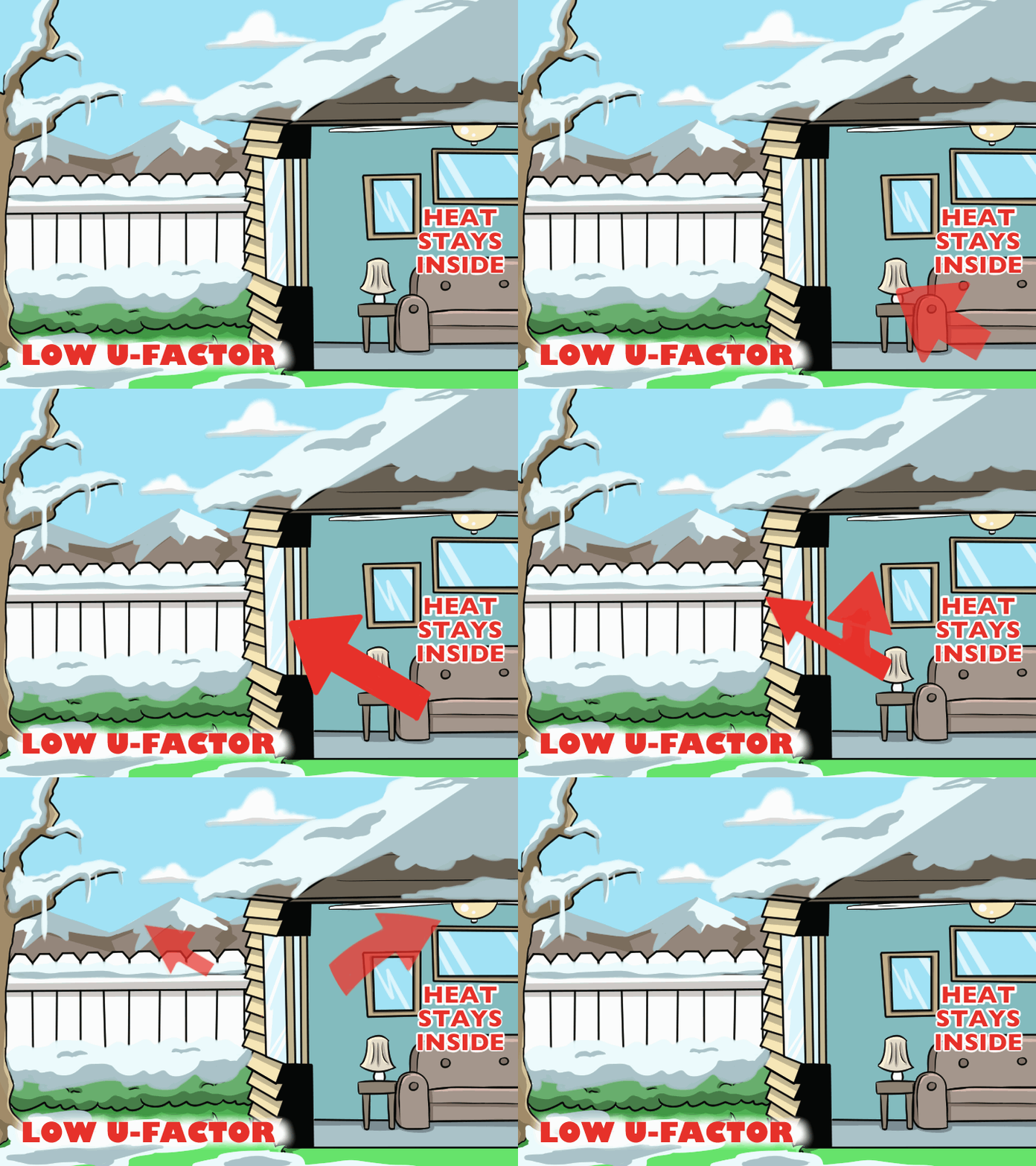
If you live in a southern state like Florida or Arizona you want a higher U factor which means you want to maximize the amount of heat a window releases from inside to outside.

The U-factor for windows generally ranges between 0.20 to 1.20.